When you think about the technology that powers your daily life; your smartphone, your laptop, your car, even your coffee maker, you probably picture sleek screens, buttons, or even apps. But beneath all that polish lies a quiet hero that rarely gets the spotlight: the Printed Circuit Board, or PCB. Whether you’re an Electrical Engineer or someone who just enjoys the convenience of modern gadgets, PCBs are central to the story of how our world works.
What Exactly is a PCB?
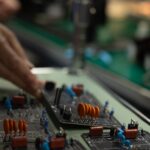
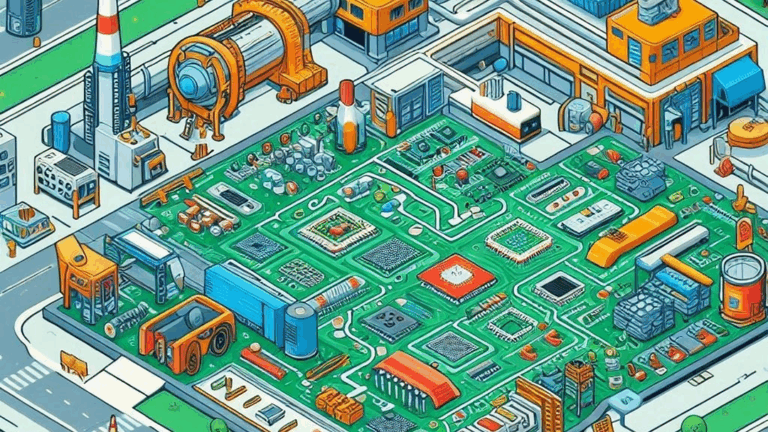
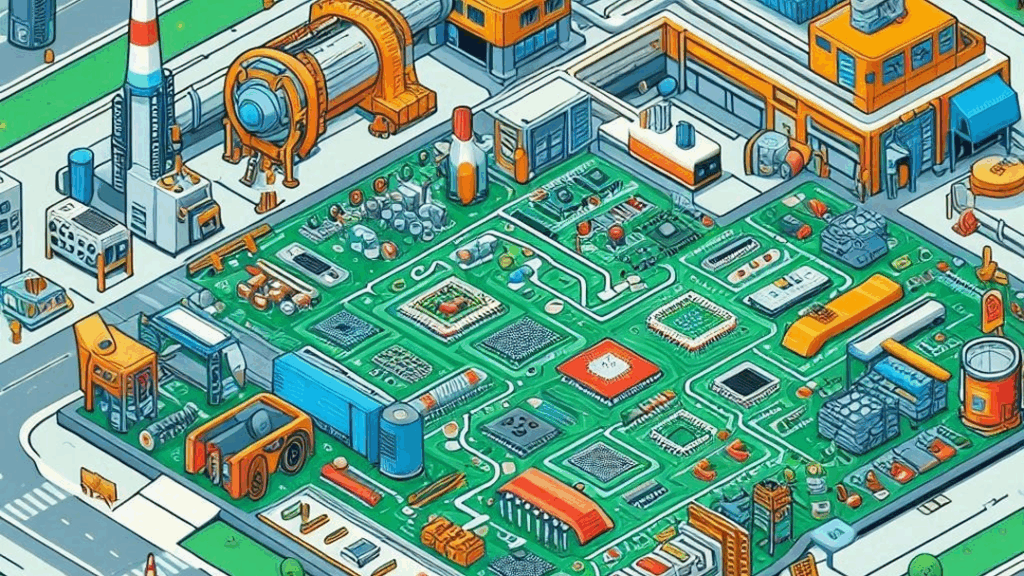
At its core, a PCB is a flat board that holds and connects electronic components. Think of it as the nervous system of any electronic device. It routes the electrical signals between chips, resistors, capacitors, and other components, allowing them to work together in harmony. Electrical Engineers picture this amazingly complex board made from layers of fiberglass and copper, etched and laminated to create intricate pathways. For the rest of us, imagine a tiny, green city map where the roads are made of copper and the buildings are microchips. However you imagine it, there’s no denying that this board is the reason your electronics continue to work for you, making your life easier, day in and day out.
Where You Encounter PCBs in Your Everyday Life
You don’t need to open up your devices to see the impact of PCBs. Here are just a few places they are sitting in the background, quietly doing their job:
-Smartphones & Laptops: Every swipe, tap, and click is made possible by a PCB coordinating the screen, processor, memory, and battery.
-Cars: Modern vehicles are packed with PCBs controlling everything from engine timing to GPS navigation and even your backup camera.
-Home Appliances: Your washing machine, microwave, and thermostat all rely on PCBs to function efficiently and safely.
-Healthcare Devices: From digital thermometers to MRI machines, PCBs are critical in ensuring accurate diagnostics and patient care.
-Wearables & IoT: Fitness trackers, smartwatches, and your whole-house modem are all powered by compact, high-density PCBs.
Why PCBs Matter More Than Ever
As our world becomes more connected and automated, the demand for smaller, faster, and more reliable electronics grows. That means PCBs are evolving too. They’re becoming more complex, multilayered, and even flexible to fit into curved or wearable devices. For PCB designers, this means tighter tolerances, advanced materials, and smarter design tools. For PCB assembly manufacturers like Janco Electronics, Inc., this means assembling boards of all shapes, sizes, and materials, with increased miniaturization and automation and clearly defined Quality Standards. For consumers, it means more powerful gadgets in smaller packages.
The Unsung Hero of Innovation
PCBs might not be flashy, but they’re foundational. Without them, the digital age wouldn’t exist. They’re silent enablers of innovation, quietly working behind the scenes to keep our lives running smoothly. So, the next time your toast pops in the toaster, your smartwatch buzzes with a notification, or your car parallel parks itself, take a moment to appreciate the tiny green board making it all possible.